How Do You Pronounce Giverny?
Giverny is pronounced zhee-vair-NEE in French. A plain-letter phonetic guide, the common English mistakes, and how the name helps you plan a Monet garden trip from Paris.
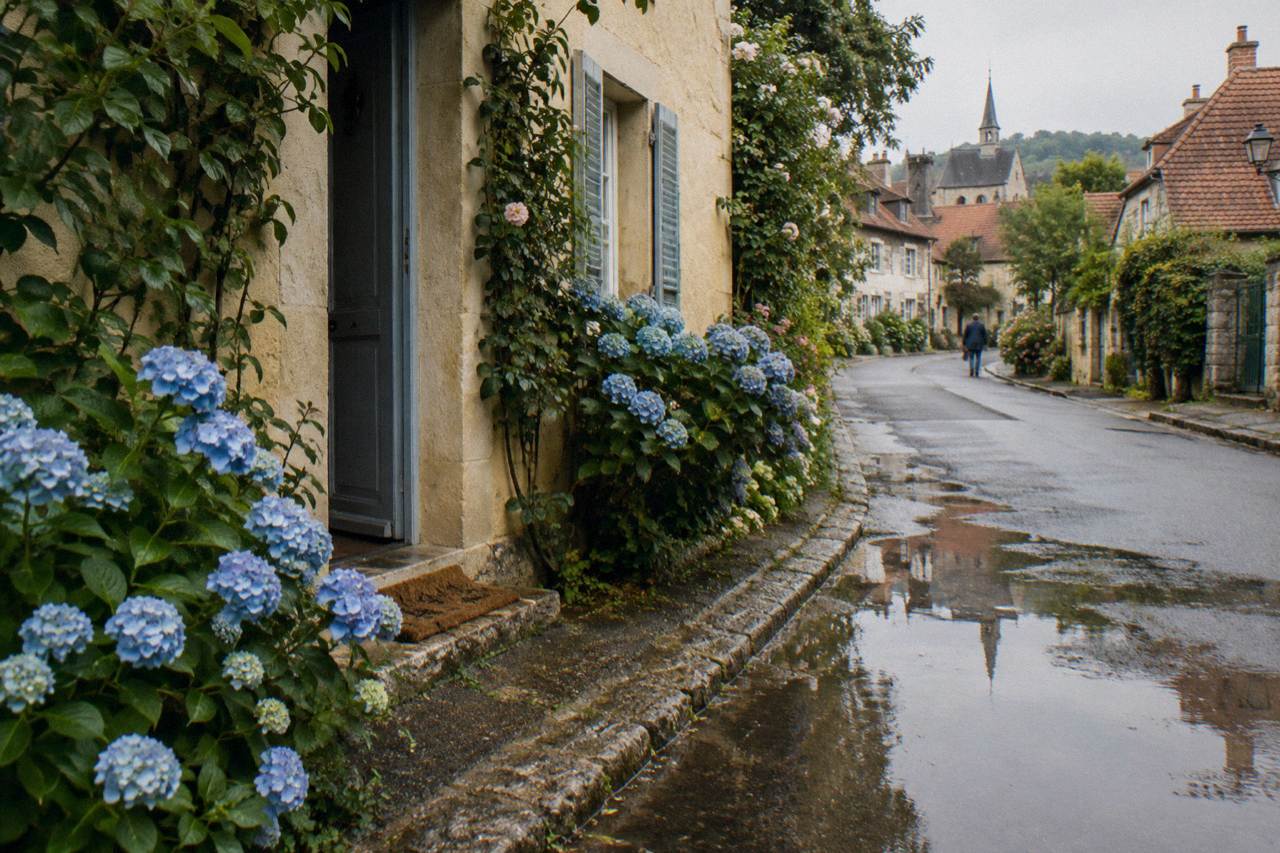
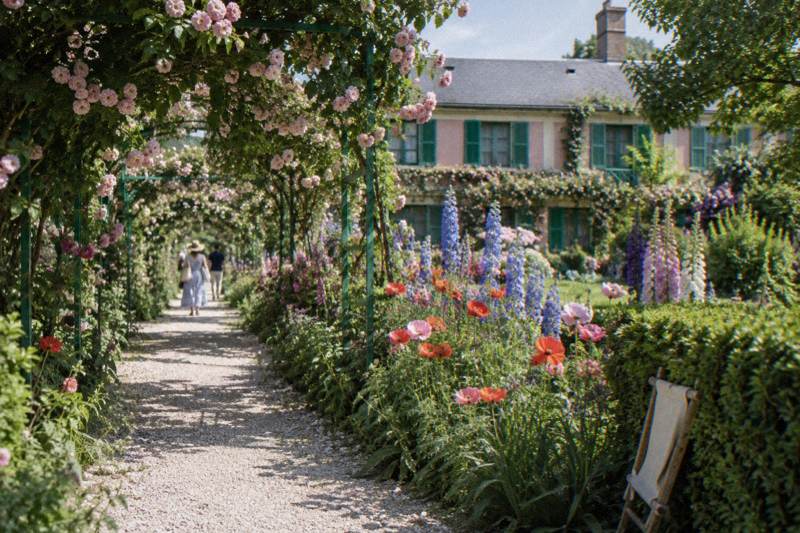
Giverny is a small Norman village with a name that trips up almost every first-time visitor. The spelling suggests a hard G and a pronounced final y, and both instincts are wrong. In French the name is said roughly as zhee-vair-NEE, three syllables, stress drifting toward the end, with a G that sounds like the s in "measure." That soft opening consonant is the whole trick, and once you have it, the rest of the word falls into place. The village sits about 75 km northwest of Paris and receives visitors from around the world between early April and the start of November, when Monet's house and gardens are open, so the name gets heard in a remarkable range of accents every single day of the season. Many of those visitors arrive on organized trips, including the half-day coach trip with Monet's home and gardens, which runs from $66 per person and carries a 4.5 rating from 3,546 reviews, the deepest review pool among the listed Paris departures.
What Does Giverny Sound Like In French?
In French, Giverny is pronounced zhee-vair-NEE: the G is soft like the s in measure, the middle syllable rhymes with fair, and the final y lands as a light ee with no separate vowel of its own. Written plainly, it is zhee-vair-NEE, three syllables, with the gentlest weight on the last one.
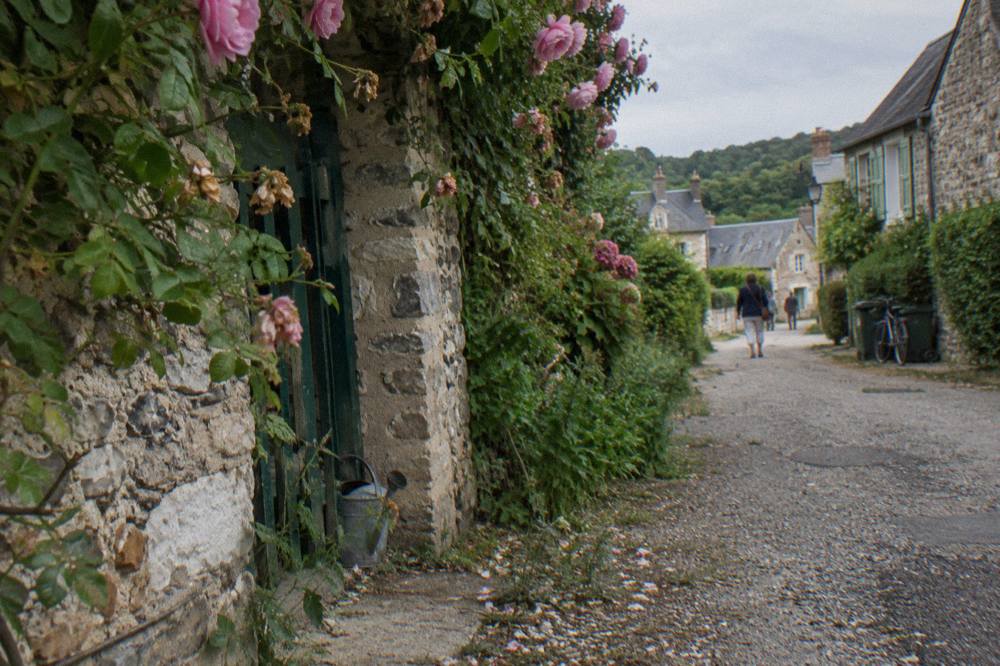
Break it into three beats. The first syllable, Gi-, uses the French soft G, the same sound an English speaker makes in the middle of vision or pleasure. It is not the hard G of go, and it is not the j of jam either, though jam is close enough that French speakers will understand you instantly. The second syllable, -ver-, rhymes with the English word fair, or the vair in the phrase "vair-nay" if you have ever wrestled with Versailles. The third syllable, -ny, is a plain ee sound. French spelling regularly ends words in y after a consonant, and in Giverny that y simply marks the preceding n as palatal, giving the ending the same sound as the end of Campbell or the nickname Kenny.
Put together, the whole name takes about one second to say. Practice it as zhee-vair-NEE, and let the syllables run into each other rather than pausing between them. French does not stress syllables the way English does, so the closest natural rhythm is to let the final syllable carry slightly more weight, the way an English speaker says sur-PRIZE. If you catch yourself saying JIV-er-nee or GIV-er-nee, you have swapped the soft consonant for a hard one, which is the single most common error among English speakers.
The village appears in Monet's biography at every turn, and any Giverny day trip involves hearing and saying the name constantly, so it helps to settle the sound early. Monet moved to Giverny in 1883 and painted the garden for decades, and the name of the village travels with every water lily reproduction hanging on a wall anywhere in the world.
If reading about the village has already turned into trip planning, three listings cover the most common ways in:
Why Is The G In Giverny Soft And Not Hard?
The G in Giverny is soft because the letter that follows it is an i: in French, g followed by e, i or y takes the soft sound heard in the middle of the English word measure, while g followed by a, o or u stays hard. Giverny spells itself into the soft category from its first letter.
This is a fixed rule of French spelling, not a quirk local to this one village. The same pattern explains why gin in French contexts sounds soft, why girafe starts with a soft g, and why gare, hard g, sounds different. English has a cousin of the rule, which is why gin and gun do not begin with the same consonant, but English applies it inconsistently, which is why English speakers guess wrong on French names about half the time.
The soft French G has no exact English equivalent at the start of a word. English uses the sound in the middle of words like vision, measure, pleasure and beige, but almost never at the beginning. That is why the plain-letter workaround is to write zhee: the zh digraph signals the measure sound to an English reader. Some phrasebooks write jhee instead, which is equally fine, since French j, as in bonjour, makes the same consonant. If you can say bonjour, you can say Giverny, because both words begin with the same sound.
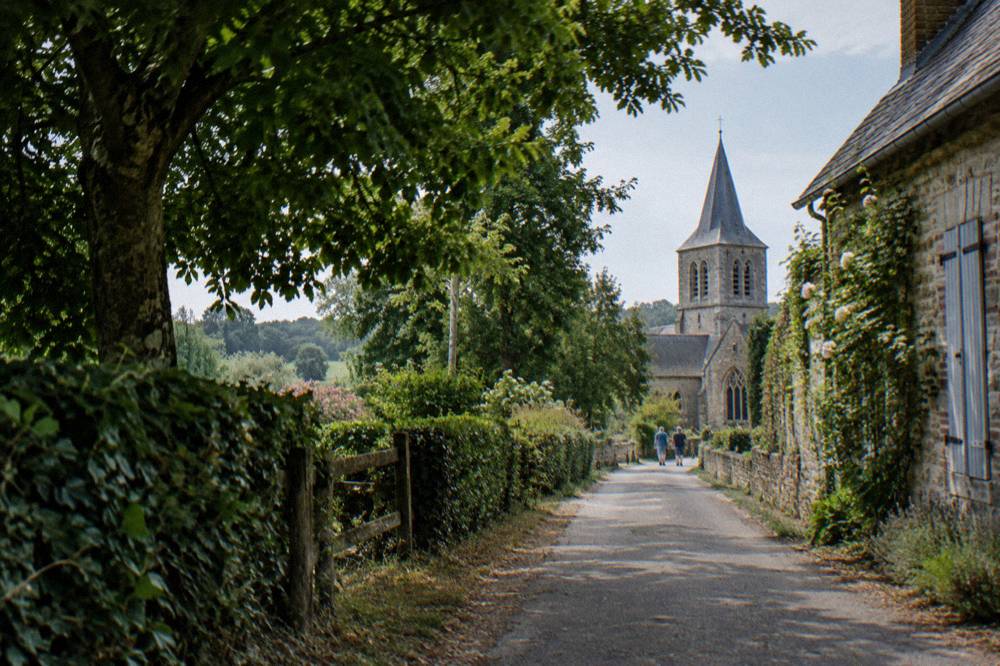
A quick comparison table keeps the pieces straight:
| Syllable | Plain-letter sound | Closest English cue | Common mistake |
|---|---|---|---|
| Gi- | zhee | the s in measure, the j in bonjour | hard G as in give |
| -ver- | vair | rhymes with fair and air | rhyming with her |
| -ny | nee | the ending of Kenny | saying the y as in sky |
Once the rule is visible, other regional names stop being intimidating too. Vernon, the station town for the train from Paris, is pronounced the way it looks, with a plain vair-non ending and no tricks. The green way cycling path between Vernon and Giverny is signposted for both names, and riders pass signs reading one hard-G-free name after the other. The official practical information page for Monet's house lists the address as 84 rue Claude Monet, and the street name is worth practicing too: Claude is said clode, one syllable, rhyming with road.
Wondering which kind of day out suits you after all this French practice?
Coach, small group, or local guide?
A coach day keeps things simple, a small-group minivan keeps the group small, and a local guided tour in Giverny itself works if you arrive by train. Every listed option includes free cancellation, so nothing is locked in at the moment of booking.
How Do Locals And Guides Say It Day To Day?
Villagers, museum staff and tour guides say zhee-vair-NEE at a relaxed, even pace, with no strong stress on any syllable and the final ee pronounced lightly rather than drawn out. In ordinary village speech the name flows past in under a second, much faster than a learner's careful three-beat version, but the sounds are identical.
Listening beats reading for rhythm. Staff at the ticket desk of Monet's house, guides leading groups through the Clos Normand flower garden, and drivers on the Paris coach departures all say the name dozens of times a day, and the pace is conversational rather than careful. The recommended visit inside the house and gardens is 1h30 to 2h, and in that window a visitor on a guided walk will hear the village named enough times that the sound settles on its own. The guided tour of Monet's house and gardens in Giverny itself, from $66 per person with a licensed local guide and a 4.8 rating from 794 reviews, begins at a meeting point on rue Claude Monet, so the guide's pronunciation is the first thing you hear.
English-speaking visitors sometimes ask whether there is an accepted English pronunciation, a natural question given how English treated place names like Paris and Lyons over the centuries. In practice, no established anglicized form exists for Giverny. English has borrowed the name only recently in linguistic terms, mostly since the house reopened to the public and the garden became a fixture of Normandy itineraries, so the French pronunciation stands as the default everywhere from museum audio guides to tour operator pages. Attempting zhee-vair-NEE is both the polite option and the practical one, since it is what every sign, recording and staff member along the route uses.
Two small habits help. First, drop any instinct to say the y as a vowel: the word ends in a pure ee, and adding a y-glide at the end, gi-vair-nee-ee, is the second most common slip after the hard G. Second, keep the middle syllable short. The er spelling in French is not the English er of her; it is an open eh sound closer to the e in fair. Say fair, then swap the f for a v, and the middle of the word is done.
Guides who lead the village walking tour use a few other names worth rehearsing. The water lily pond Monet built after 1893 is often called the bassin aux nympheas, said roughly bah-san oh nem-FAY-ah, and the flower garden in front of the house is the Clos Normand, said klo nor-MAH. Neither needs to be perfect; recognizing them on a guide's commentary is what matters.
What Does The Name Giverny Actually Mean?
The name Giverny is generally traced to a Gallo-Roman landowner: like many northern French village names ending in -y or -ac, it likely began as a Latin personal name plus the suffix -acum, meaning an estate or property, so Giverny plausibly meant the estate of a person named something like Gavarinus, a Latinized Germanic name.
That -acum suffix pattern covers thousands of French villages, and the -y ending common in Normandy is its regional worn-down form. Giverny's documented history long predates Monet by more than a millennium, and the village church of Sainte-Radegonde, where Monet is buried in the cemetery, stands on ground that has been a place of worship since well before the medieval period. Monet's arrival in 1883, by which time the village was a quiet farming community of a few hundred people, turned an agricultural name on a map into a word now printed on museum posters on every continent.
For a pronunciation article the etymology has one practical payoff. Knowing the name breaks as Giv-er-ny, three syllables with a soft first consonant, makes the spoken form easier to remember than memorizing a sound alone. The spelling has been stable for centuries, so the sounds map neatly onto the letters: Gi for zhee, ver for vair, ny for nee. Visitors who pair the syllables with the meaning, a Roman-era estate name now attached to the most painted garden in France, tend to stop stumbling over the word within a day of arriving.
The garden itself is the reason the name travels. Monet painted the garden for roughly 43 years, and the water lily pond he created after 1893 became the subject of the canvases now displayed in Paris at the Musee de l'Orangerie, where the Water Lilies rooms are part of the permanent collection. Our Monet water lilies at the Orangerie or Giverny guide compares seeing the paintings in Paris with standing at the pond itself, a pairing that depends entirely on how Giverny, the place, feeds the imagery.
How Do You Say Vernon, Auvers-Sur-Oise And Rouen?
Vernon is said vair-NOHN, Auvers-sur-Oise is oh-VAIR-sur-WAHZ, and Rouen is roo-AH, with the classic trap being Rouen, whose silent middle letters reduce a five-letter word to two syllables. All three names appear on Giverny day trips, so each is worth one minute of practice.
Vernon is the rail gateway: the direct TER train from Paris Saint-Lazare arrives at Vernon-Giverny station, a ride of about 45 minutes to an hour, with roughly 20 to 27 trains a day, and timetables should be checked ahead because of works on the line. From the station the SN'go! shuttle covers the last stretch to the village for 5 euros one way or 10 euros return between April and November, seats subject to availability. Vernon is pronounced as spelled, vair-NOHN, with a nasal final n that English speakers can approximate by dropping the final n's consonant sound entirely. The town's old mill on the Seine, Le Vieux-Moulin, is a photo stop on several listed minivan tours that continue from Giverny into Vernon.
Auvers-sur-Oise is the Van Gogh village added by full-day combos. The 2026 season at the Maison de Van Gogh runs 4 March to 22 November, Wednesday to Sunday, and one listed full-day minivan trip, from $251 per person with a 4.9 rating from 436 reviews, combines Monet's garden with Auvers-sur-Oise and the Van Gogh House in a small group of up to 8. The name is pronounced oh-VAIR-sur-WAHZ: Auvers stresses the second syllable, sur is a plain sir, and Oise, the river, is one syllable, wahz. The Giverny and Auvers-sur-Oise day trip guide covers what the combo includes.
Rouen is the farthest of the three and the most commonly mangled. Despite its spelling, it is pronounced roo-AH, two syllables, the first rhyming with too and the second with ah. Rouen Cathedral was painted repeatedly by Monet, and a listed day trip combining Giverny, Vernon and Rouen, from $291 per person with hotel pickup, gives the cathedral its place alongside the garden. Here is a compact cheat sheet:
| Name | Plain-letter pronunciation | Why it appears on Giverny trips |
|---|---|---|
| Giverny | zhee-vair-NEE | the village and Monet's house and gardens |
| Vernon | vair-NOHN | train station town, 45 minutes to an hour from Paris |
| Auvers-sur-Oise | oh-VAIR-sur-WAHZ | Van Gogh village on full-day combos |
| Rouen | roo-AH | cathedral city on the Giverny, Vernon and Rouen day trip |
Does Mispronouncing It Matter When You Travel?
No. Ticket staff, train conductors, shuttle drivers and guides in Normandy hear Giverny said in every accent imaginable during the April to November season, and a hard G or a mangled final syllable will not cost you a seat, a ticket or any goodwill. The soft-G version simply marks you as someone who has done a little homework.
The practical moments where the name gets said aloud are few and forgiving. You say it at a Paris station ticket window asking for Vernon-Giverny, though on the rail apps you type rather than speak. You may say it to a shuttle driver at Vernon station, though the shuttle's destination is obvious from where it waits. And you say it to a taxi or a hotel receptionist if you stay overnight in the village, where every innkeeper from the upscale Le Jardin des Plumes to the guesthouses near Monet's house has heard the name pronounced dozens of ways. The restaurant Les Nympheas sits in front of Monet's house and opens daily through the season, and its staff greet international visitors all day long.
If anything, the more useful names to practice are the ones on your booking. Meeting points in Paris carry street names such as Église Notre-Dame de Compassion on Place du Général Kœnig in the 17th arrondissement, Avenue de Wagram in the 8th, or Rue de l'Amiral de Coligny near the Louvre, and finding the right corner matters more than saying Giverny perfectly. Coach trips meet at a stated point and do not list hotel pickup; small-group minivan options differ, with some listing hotel pickup from western Paris and others meeting at a set address, so the listing is the place to confirm which applies before the morning of departure.
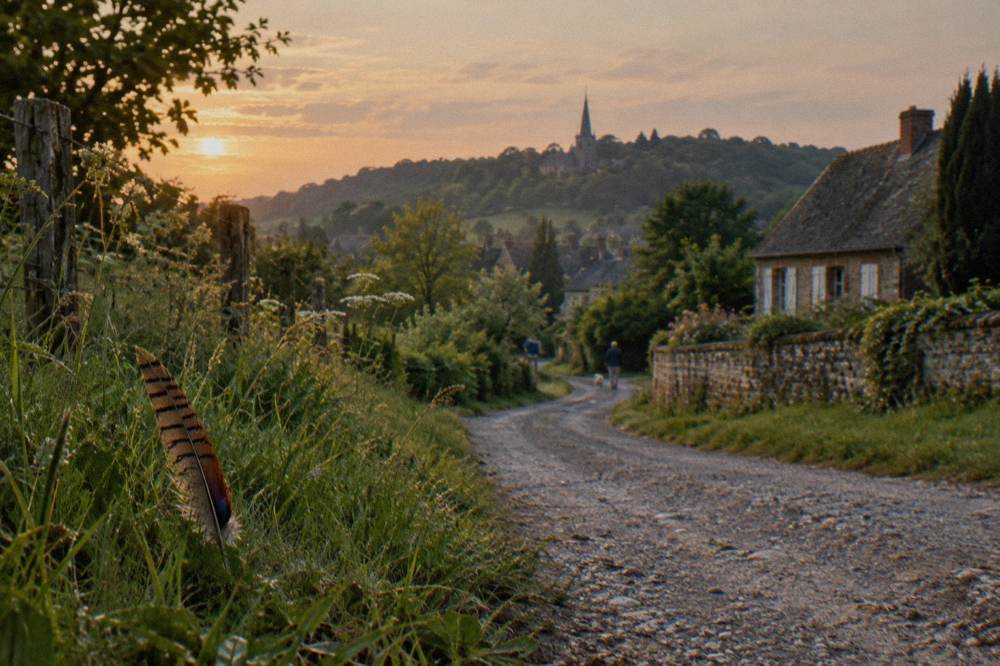
For visitors combining the village with the palace, one more name earns a minute of rehearsal: Versailles is pronounced vair-SIGH, roughly two syllables, with a silent x and a final s sound like the s in sigh. Combo day trips pairing Giverny with Versailles run from around $144 per person by coach up to small-group and private formats, and the 2026 Versailles Passport costs 35 euros standard in high season, 1 April to 31 October, with the palace and Trianon closed on Mondays. The Giverny and Versailles tour guide compares the formats.
How Does Saying It Right Help When You Book?
Knowing the name's sound helps mainly at the booking stage, because searching for Giverny trips means recognizing the village's name across coach, small-group, combo and private formats, and the pronunciation itself tells you nothing about price or inclusions, which range from $66 per person by coach to private formats in the hundreds of dollars.
The listed half-day coach trip from Paris, from $66 per person, 5 hours, rating 4.5 from 3,546 reviews, includes round-trip transport, a guide and entry fees to Monet's house and gardens, with departures from a stated meeting point in the 17th arrondissement and free cancellation listed. A small-group minivan alternative, from $148 per person, 4 hours 30 minutes, limited to 8 people, carries a 4.8 rating from 2,005 reviews and departs from Avenue de Wagram. Both say the village's name the same way, and both hand you the same entry ticket on arrival. The Giverny tour prices guide breaks down what each format includes and where the money goes.
For travelers who prefer the train, the Paris to Giverny by train guide covers the direct TER service and the Vernon shuttle in detail, and the train or tour comparison weighs the two approaches. Once on site, adults pay 13 euros at the gate, children 7 to 17 pay 7 euros, and under-7s enter free, with tickets also sold on site daily from 9:30, though booking is recommended for weekends and public holidays because the online quota, once reached, means crowds and a wait at the gate. E-tickets bought direct are not refundable, modifiable under conditions until 30 April 2026 and final from 1 May, a detail worth knowing before you buy.
Whichever format fits, the village that gave its name to the most painted garden in France rewards the small effort of saying that name correctly, and the effort takes about one minute:
A final pairing of the three listings most often chosen by first-time visitors, the coach half-day, the small-group minivan and the on-site guided tour:
Common Questions About Pronouncing Giverny
Is The G In Giverny Hard Or Soft?
Soft. French g before e, i or y takes the sound heard in the middle of measure, so Giverny begins with zhee, not with the G of give.
Do You Pronounce The Y At The End Of Giverny?
Not as a separate letter. The y combines with the n into a plain nee sound, the same ending as the English name Kenny, and nothing follows it.
Is There An English Pronunciation Of Giverny?
No established anglicized form exists. English has borrowed the name only recently, so the French pronunciation stands as the default in guides, audio commentaries and operator listings.
How Do You Say Vernon-Giverny Station?
Vair-NOHN zhee-vair-NEE. Vernon is said as spelled with a soft final n, and it is the station for direct TER trains from Paris Saint-Lazare, about 45 minutes to an hour away.
Will Anyone Mind If I Say It Wrong?
No. Staff, guides and drivers along the route hear every accent daily from April through October. A close attempt is always understood, and the soft-G version simply sounds a little more practiced.