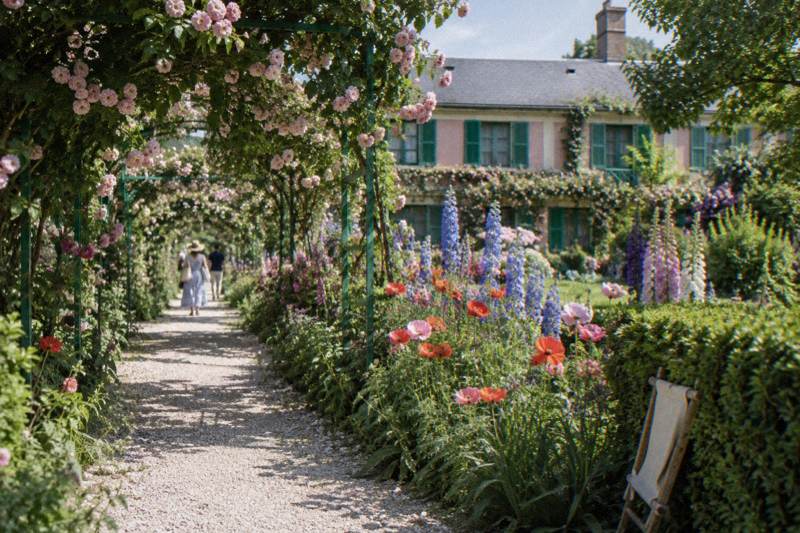
Monet's Water Lilies: The Orangerie In Paris Or The Pond At Giverny
Monet painted his water lilies in two places that survive today: the canvases fixed to the walls of the Orangerie in Paris, and the living pond in Normandy that he built and painted for decades. One is a museum, the other is the subject itself.
Short answer
The Orangerie in Paris shows Monet's Water Lilies panoramas in two oval rooms built for them; entry is 12.50 euros online, 11 euros at the museum, and it closes on Tuesdays. The pond at Giverny is the real thing, open 1 April to 1 November 2026, adult entry 13 euros. A combined ticket for both sites costs 25.50 euros for an adult, sold on site only.
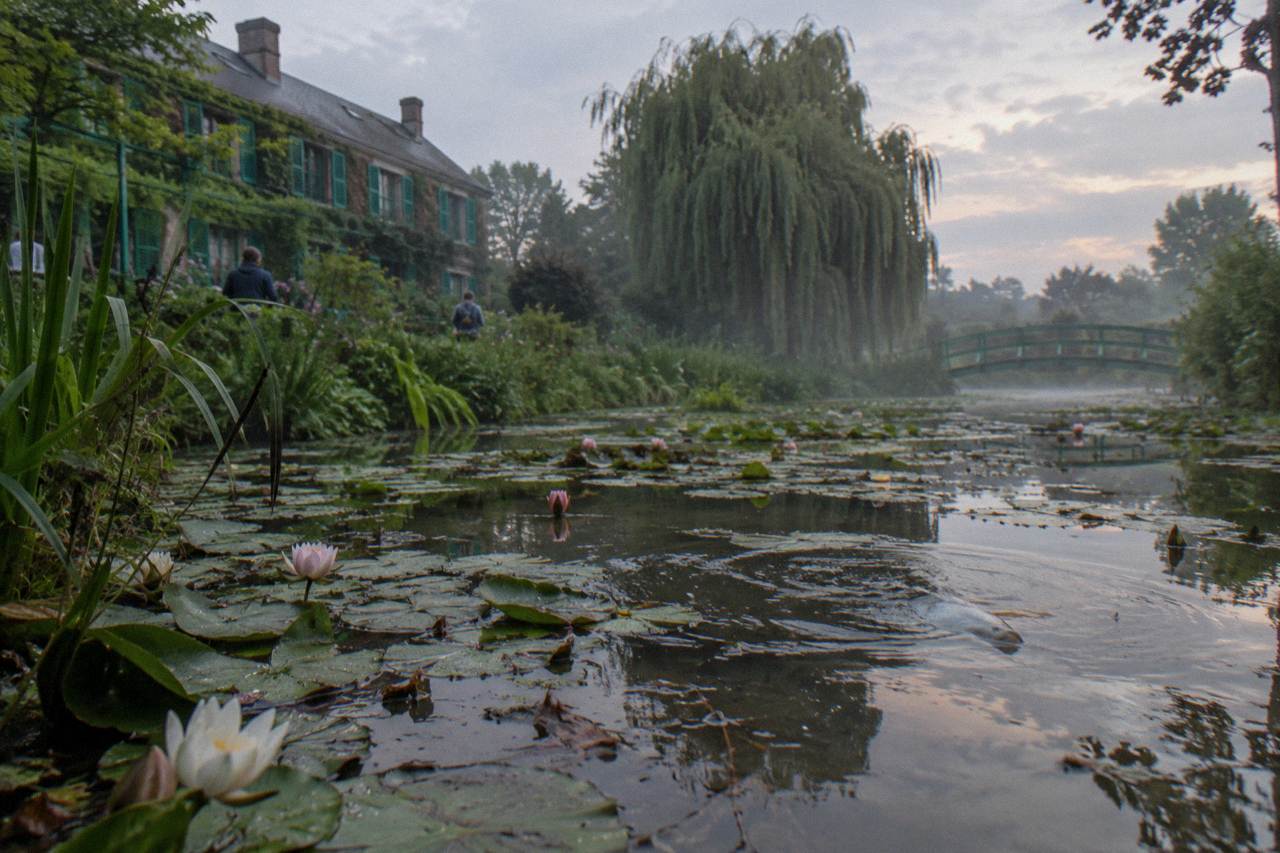
Monet painted the water lilies in two places you can still stand in today. The first is the Musée de l'Orangerie in Paris, where eight panorama canvases curve around two oval rooms designed by Monet himself as a permanent home for the series. The second is the pond at Giverny, roughly 75 km west of Paris in Normandy, where the actual water lilies, the Japanese bridge and the willows that appear in those paintings still grow every summer. Deciding between them, or working out how to see both, is one of the most common planning questions for an Impressionist trip to Paris, and the answer depends on the season, your budget and how much of your day you want to spend on a train or in a minivan.
Where Did Monet Actually Paint His Water Lilies?
The paintings were made at Giverny, in a studio separate from the house, over a period of more than two decades after the pond was created in 1893. Monet moved to Giverny in 1883, had the water garden and its lily pond built after 1893, and painted the garden for roughly 43 years. The large Orangerie panoramas came late in that long project, and they were conceived for display in Paris, not painted there.
The sequence matters for how you plan a visit. The pond came first, the paintings came second, and the museum rooms in Paris came last of all. Monet lived at Giverny from 1883 until his death, cultivating the Clos Normand flower garden closest to the house and then, after 1893, transforming a marshy meadow across the local road into the water garden with its Japanese bridge, willows and bamboo. The nymphéas, the water lilies that give the series its French name, became his dominant subject in the garden's later decades.
The story of the later panoramas is covered in more depth in the site's piece on the story behind Monet's water lily pond, including how the Orangerie rooms came about. What matters for a travel decision is simpler: at Giverny you see the motif, the light and the reflections Monet worked from. At the Orangerie you see the finished statements, hung at eye level in diffuse light, in the exact configuration the painter approved. They are different experiences of the same obsession, and people who care about the paintings usually end up wanting both.
It is worth being precise about what "the water lilies" means, because the series is spread across several Paris museums. The Orangerie holds the two oval rooms of panoramas, the Nymphéas cycle Monet called his "grandes décorations". The Musée Marmottan Monet, in the 16th arrondissement, holds a large collection of Monet works including Impression, Sunrise, entry 14 euros for an adult. The Musée d'Orsay holds later canvases among its broader collection. Only Giverny holds the pond itself.
What Do You Actually See At The Orangerie In Paris?
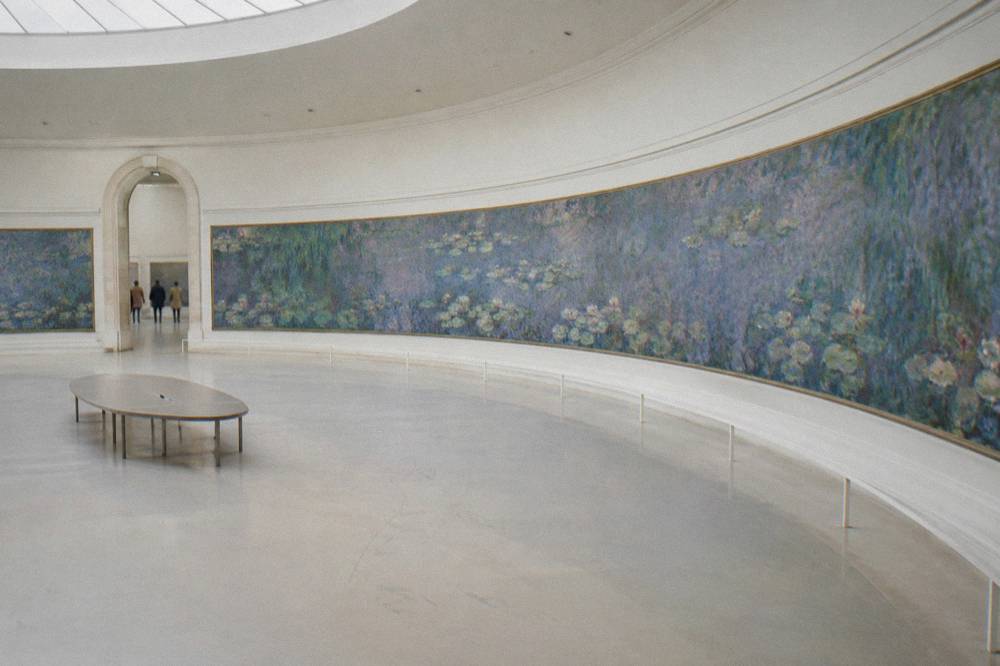
The Orangerie's Water Lilies are eight monumental canvases arranged in two oval rooms lit from above by diffused daylight, set in a single-purpose basement gallery in the Tuileries Gardens. Entry is 12.50 euros bought online or 11 euros at the museum, the museum is closed on Tuesdays, and the Water Lilies rooms are part of the permanent collection, so no special ticket is needed.
The rooms are the point. Monet planned the oval configuration himself, specifying the lighting, the hanging height and the white walls; the painter intended visitors to be surrounded, with the canvases running uninterrupted around the curve. There are no labels competing for attention in the two Nymphéas rooms, and photography without flash is the norm. Visitors typically move through in a slow circuit, and the experience is closer to standing inside the paintings than looking at them.
The rest of the building holds the Jean Walter and Paul Guillaume collection, a strong assembly of Cézanne, Renoir, Modigliani and Sisley among others, so a visit covers far more than Monet. Because the museum sits at the corner of the Tuileries, it pairs naturally with a walk through the gardens or a loop to the Seine, and it is a short walk or one metro stop from the Concorde and Champs-Élysées end of central Paris. Current admission details and closures are on the official Orangerie visit page.
One practical note repeated by the museum itself: Tuesday closures catch a lot of visitors, and so do the mornings of certain public holidays. If your Paris itinerary is tight, check the closed days first and build the rest of the day around them, because the museum is small enough that two hours is a comfortable visit. The small-group half-day trip to Monet's gardens from Paris is one way to protect the other half of such a day, since it runs about 4 hours 30 minutes with entry included. If that Giverny half-day leaves you curious about more Impressionist art, the guide to the Musee des Impressionnismes next door to Monet's garden covers the tickets, season dates, and combined options that make pairing the two sites simple.
For anyone whose interest is specifically the water lilies rather than Impressionism broadly, the comparison that matters is against the Marmottan. The Marmottan holds more canvases and the first Impressionist painting, at 14 euros adult, but its Monet rooms are conventional galleries rather than the Orangerie's immersive ovals. Most visitors with time for only one Paris museum choose the Orangerie for the Water Lilies and treat the Marmottan as a second stop for devotees.
If the pond in Normandy is the part of that plan that appeals, the listings below cover the main ways to reach it from Paris, from the shared coach to small-group minivan formats.
Which Costs More: The Paris Museums Or The Garden At Giverny?
The Giverny garden costs 13 euros for an adult, the Orangerie 12.50 euros online or 11 euros at the museum, the Marmottan 14 euros, so the entries sit within about two euros of each other. The real difference is transport: Giverny adds a train fare or a tour from $66 per person. A combined house-plus-Orangerie ticket is 25.50 euros adult, sold on site only. Since transport is where the real difference lies, our comparison of train, tour, taxi and bike options for reaching Giverny spells out the cost and travel time of each.
Looking at entry alone, the three sites are within a few euros of each other, which surprises people expecting a premium for the famous garden. What separates the budgets is getting to Normandy and back. The train from Paris Saint-Lazare to Vernon-Giverny takes about 45 minutes to an hour each way, with fares in the about 6 to 24 euros band, and the SN'go! shuttle from Vernon station to the village costs 5 euros one way or 10 euros return, April to November, seats subject to availability. A guided tour bundles the transport and the entry ticket, at the price points shown further down. If you're bringing small children or a companion with limited mobility, our guide to Giverny with kids and reduced mobility covers stroller rules, garden paths, and the transport choices that cause the fewest headaches before you book.
| Site | Adult entry | Notes |
|---|---|---|
| Monet's house and gardens, Giverny | 13 euros | Open 1 April to 1 November 2026, 10:00 to 18:00, last admission 17:30 |
| Musée de l'Orangerie, Paris | 12.50 euros online, 11 euros at museum | Closed Tuesdays |
| Musée Marmottan Monet, Paris | 14 euros | Holds Impression, Sunrise and many Monet canvases |
| Musée des Impressionnismes, Giverny | 12 euros, reduced 9 euros, under 18 free | 2026 exhibition "Invitation to Daniel Buren, Plantations" to 1 November |
The combined tickets are the hidden lever in this comparison, and they are sold only on site for individuals, not online. Buying a combined house-plus-Orangerie ticket at the desk in Giverny costs an adult 25.50 euros, which is marginally more than the two entries bought separately at the door, but it is designed as a single gesture linking the two halves of the story. Combined tickets also exist with the Marmottan at 27 euros and with the Musée des Impressionnismes in the village at 25 euros. The ticket guide for Monet's house covers the full tariff, including the 7 euro child rate for ages 7 to 17 and free entry for under 7s.
| Combined ticket (adult, sold on site only) | Price | What it covers |
|---|---|---|
| Monet's house + Musée de l'Orangerie | 25.50 euros | Both sites, independent visits |
| Monet's house + Musée Marmottan Monet | 27 euros | Both sites, independent visits |
| Monet's house + Musée des Impressionnismes | 25 euros | Both Giverny sites, walkable between them |
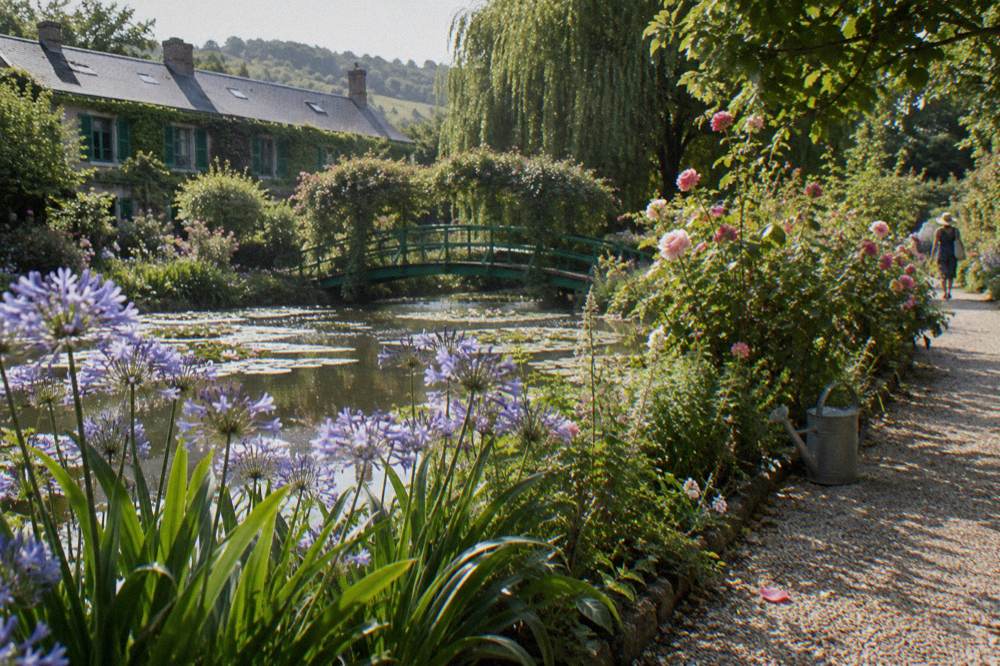
For travelers who want the garden without managing trains, the cost question becomes one of tour prices rather than tickets. The guided day trip to Monet's garden runs from $145 per person for 5 hours by minibus with entry included, rated 4.7 from 896 reviews. At the other end, the coach day trip with an audio guide or live guide starts from $66 per person, rated 4.2 from 3,032 reviews, which makes it the cheapest listed way to bundle transport and entry.
Can You See The Water Lilies Rooms And The Pond In One Day?
Yes, with planning: the Orangerie opens before most Giverny tours depart, and the small-group minivan trips return to Paris with enough of the day left for a museum visit, though the reverse order, museum first, works only for late-opening days. The Giverny season runs 1 April to 1 November, and the museum is closed Tuesdays, so the two calendars must be checked against each other.
The one-day double has a natural shape. Small-group minivan tours from Paris typically run half a day, about 4 to 5 hours. The Giverny Small-Group Half Day Trip with Monet's Gardens from Paris, rated 4.8 from 2,005 reviews, from $148 per person, runs 4 hours 30 minutes, departing from 6 Avenue de Wagram and finishing next to the Champs-Élysées, which is a short walk or ride from the Tuileries. A morning departure therefore hands you back to central Paris in the early afternoon, close to the Orangerie itself. The wider set of guides lives on the tour comparison homepage.
| Time of day | Giverny leg | Orangerie leg |
|---|---|---|
| Early morning | Depart Paris on the minivan trip, about 75 km west | Not yet open |
| Late morning | Monet's house, studio and water garden, recommended visit 1h30 to 2h | Closed mornings on Tuesdays only, open other days |
| Early afternoon | Return drive to Paris, tour ends near the Champs-Élysées | Walk or metro to the Tuileries |
| Late afternoon | Free | Water Lilies rooms in diffused evening light, museum closes most evenings |
Doing it independently by train also works: a direct TER from Paris Saint-Lazare to Vernon-Giverny takes about 45 minutes to an hour, roughly 20 to 27 trains a day run on the line, and the shuttle meets the station. Check timetables before buying, because works on the line are reported for this period. The train-plus-museum day gives more flexibility but moves every leg onto your own shoulders; the train versus tour comparison works through the trade-offs in full.
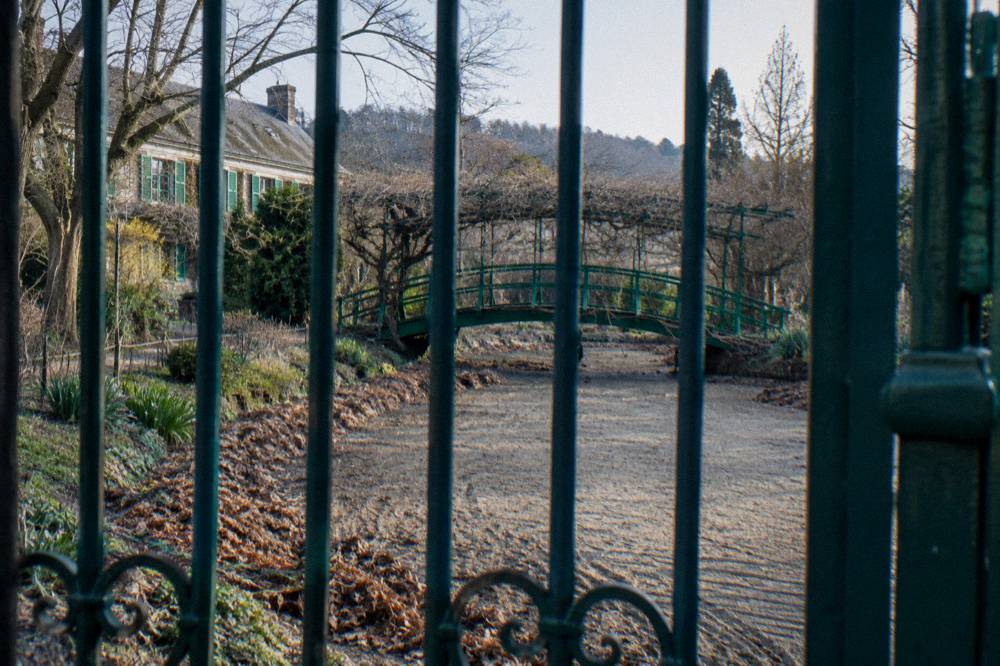
Two calendar traps deserve a warning. First, the pond is not there in winter: the house and gardens are closed from 2 November to 31 March, and the 2027 reopening date has not been published, so check the official Giverny site before planning a spring trip. Second, the Orangerie's Tuesday closure means a Tuesday Giverny day cannot end with the Water Lilies rooms. The official Monet site sells a skip-the-line e-ticket online and recommends booking ahead for weekends and public holidays, though it is not mandatory; tickets are also sold on site daily from 9:30, and once the online quota is reached, crowds and a wait should be expected. E-tickets are non-refundable.
When Do The Real Water Lilies Flower At Giverny?
The water lilies at Giverny generally begin opening in late June, peak from July through August in pink, white and yellow, and continue into September and October in milder seasons, a general pattern rather than a promise for any given week. The garden's other blooms shift month by month, from tulips and daffodils in April to dahlias and asters in October, so the pond is one act in a season-long sequence.
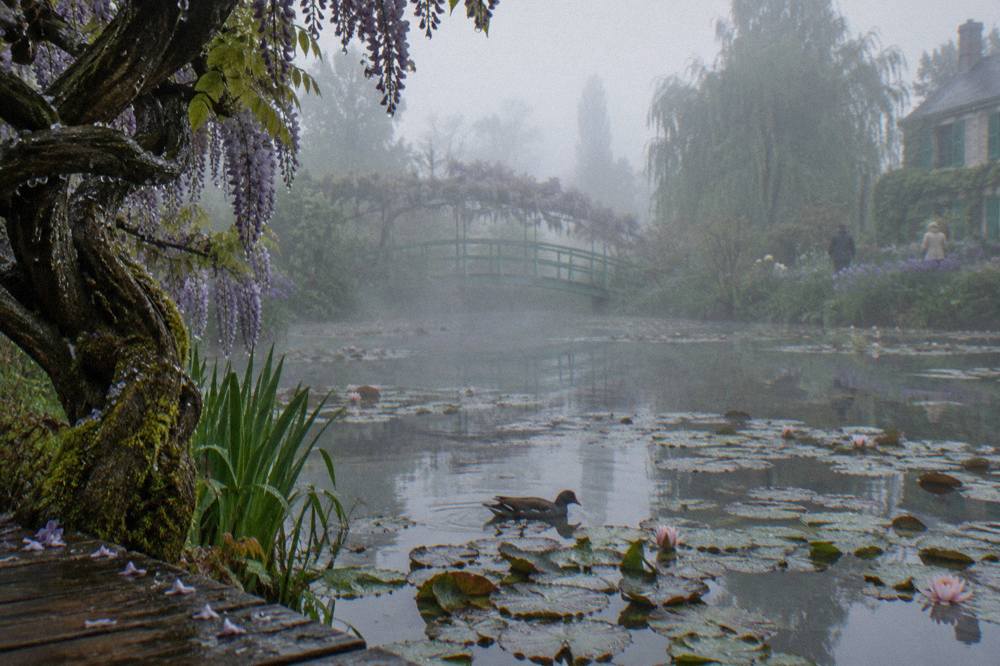
This is the one advantage the garden holds over the museum that no price can equal: the pond changes. The Orangerie canvases are the same in January as in July, while Giverny in May shows irises and wisteria on the Japanese bridge with the lilies only in leaf, Giverny in July shows the pond at full flower, and Giverny in late October shows the final lilies against autumn foliage on the willows and liquidambars. Gardeners' own seasonal notes describe the nasturtiums carpeting the Grande Allée through September as a rival spectacle. Anyone planning around the water lilies specifically should aim for the July to August window, and read the fuller month-by-month guide to the garden before fixing dates.
| Month | What the garden generally shows | Crowd pattern |
|---|---|---|
| April | Tulips, daffodils, pansies, cherry blossom; pond in leaf | Moderate, season opening |
| May | Irises, peonies, wisteria on the bridge | Peak crowds begin |
| June | Climbing roses, clematis; water lilies start late month | Busy |
| July | Water lilies in full flower, nasturtiums, dahlias | Very busy, arrive at opening or after 16:00 |
| August | Water lilies continue, dahlias, cosmos | Very busy, hot days |
| September | Nasturtiums on the Grande Allée, asters, late lilies | Easing |
| October to 1 Nov | Final lilies, chrysanthemums, autumn foliage | Quietest, season closes 1 November |
Crowd behavior follows the flowers. The May to June period around the wisteria and irises is the busiest stretch of the season, July and August stay very full, and weekdays, especially Tuesday to Thursday, are calmer than weekends at any time of year. Early morning at the 10:00 opening or late afternoon after 16:00 are the calmer windows inside a given day. The site's crowds and queues guide goes deeper on timing tactics, and the best time to visit guide weighs bloom against crowd for each month.
Is A Tour Or Independent Travel Better For A Water Lilies Trip?
Independent travel by train suits flexible visitors and costs about 6 to 24 euros each way plus 13 euros entry plus the 5 euro shuttle, while tours from $66 per person bundle coach transport and entry, and small-group minivan formats from about $148 add a driver-guide and hotel-adjacent departure points. The choice turns on whether the Orangerie half of your day needs protecting, which the half-day formats do best.
The budget end of the listed tours is the coach half-day trip from Paris, from $66 per person, rated 4.5 from 3,546 reviews, which is the most reviewed Giverny listing on this site. It departs near the Palais des Congrès, runs 6 to 11.5 hours depending on the option chosen, includes entry to Monet's house and gardens, and lists free cancellation. The same price floor appears on the audio-guide coach option at 4.2 from 3,032 reviews. These are coach formats with meeting points, not hotel collection; the listing excludes hotel pickup and drop-off.
| Format | Starting price | Duration | Group size | Pickup |
|---|---|---|---|---|
| Coach half-day with audio or live guide | from $66 per person | 5 hours | Shared coach | Meeting point, 45 Av. de la Bourdonnais |
| Small-group minivan half-day | from $148 per person | 4h30 | Up to 8 | Meeting point, 6 Av. de Wagram |
| Small-group minivan, 4.7 from 769 reviews | from $154 per person | 5 hours | Shared minivan | Hotel pickup in western Paris or meeting point |
| Full-day Giverny and Versailles | from $144 per person | 11.5 hours | Shared coach | Meeting point, 75017 Paris |
For travelers who want the Giverny morning and the Paris museum afternoon, the minivan formats fit the day most cleanly. The Giverny Small-Group Minivan with Hotel Pickup or Meeting Point, rated 4.7 from 769 reviews, from $154 per person, collects from hotels in western Paris or a meeting point and includes entry to Monet's house and gardens; the listing notes a minimum age of 3 years. The listing for the related small-group half-day trip on this page's homepage comparison shows the full spread of formats side by side, including which ones list hotel pickup.
At the premium end, a full-day private format such as the Private Giverny Monet's House and Gardens Trip from Paris, rated 4.7 from 32 reviews, from $319 per person for 6.5 hours, includes hotel pickup and drop-off, entry tickets and two hours of free time in the village, which is the most schedule-proof way to pair a long Giverny visit with an evening museum. Whatever format you choose, note that the on-site restaurant Les Nympheas sits directly in front of the house if the half-day timing cuts across lunch, open daily through the same 1 April to 1 November season as the garden itself.
What About Combining Giverny With Versailles Instead?
A strong alternative use of the same day is the Giverny and Versailles combination, which pairs the garden with the palace in a single 11.5-hour coach trip from $144 per person, or in small-group minivan formats from $319 per person with hotel pickup. The Versailles 2026 Passport costs 35 euros in high season, and the palace closes on Mondays, which shapes the calendar just as the Orangerie's Tuesday closure does.
The combo answers a different question than the water lilies comparison, but travelers often face both at once. The Giverny and Versailles Palace Guided Day Trip, rated 4.5 from 1,591 reviews, from $144 per person, includes skip-the-line entry wording for the Château de Versailles and its gardens, entry to Monet's home and gardens, round-trip coach transport and an audio app for Giverny in 10 languages. Note that the official Giverny site sells a skip-the-line e-ticket online and recommends booking ahead for weekends and public holidays. E-tickets are non-refundable, and last admission is 17:30.
The Giverny and Versailles tour guide compares all eight listed combinations, including the small-group version with lunch at from $371 per person and the versions with hotel pickup. For water lilies purposes, the trade is simple: the combo spends your museum hours at Versailles instead of at the Orangerie, and Monet's garden gets a fixed, shorter slot. If the pond in July is the reason for the trip, protect your Giverny time with a half-day format and keep the Paris museums for another afternoon.
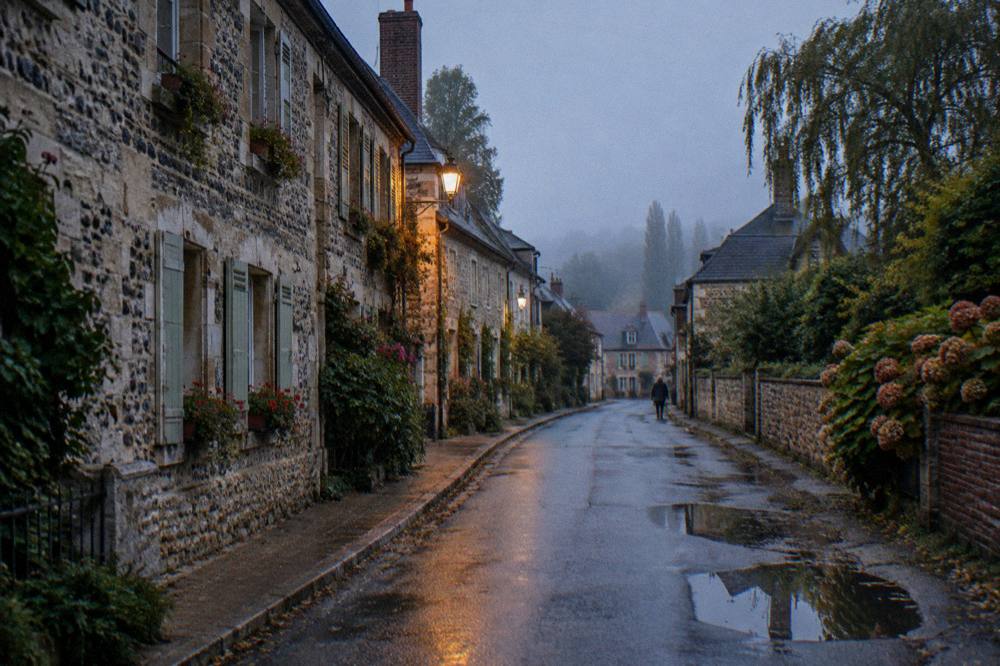
Whichever half of the pairing you weight more heavily, the underlying choice described across this guide holds: the Orangerie gives you the canvases in the rooms built for them, any month of the year except Tuesdays, and Giverny gives you the pond that produced them, but only from early April to the start of November. Visitors with two or three days in Paris do both; visitors with one well-chosen day can do both; visitors in winter have only the museums, and that constraint, more than price or taste, usually settles the question.
If you are still weighing the options, these three formats cover the main ways to build the trip.
Common Questions About Monet's Water Lilies And Giverny
Can you see Monet's Water Lilies at the Orangerie and the pond at Giverny on the same day?
Yes. A morning small-group minivan tour from Paris to Giverny runs about 4 to 5 hours and typically returns to central Paris by early afternoon, leaving time for the Orangerie in the Tuileries, which is a short walk from where several tours finish. Check that the museum is open, since it closes on Tuesdays.
How much does the Orangerie cost compared to Monet's garden?
The Orangerie charges 12.50 euros online or 11 euros at the museum for an adult. Monet's house and gardens at Giverny charge 13 euros for an adult. A combined ticket for both sites costs 25.50 euros for an adult and is sold on site only.
When do the water lilies flower at Giverny?
As a general seasonal pattern, water lilies begin flowering in late June, peak in July and August in pink, white and yellow, and continue into September and October in milder conditions. The exact week varies with the season, so treat the pattern as a planning guide rather than a promise.
Is the Musée Marmottan Monet worth adding?
It can be, for Monet devotees. Entry is 14 euros for an adult, and it holds many Monet canvases including Impression, Sunrise, but its galleries are conventional rather than the Orangerie's immersive oval rooms. A combined ticket with Monet's house costs 27 euros adult, sold on site.
Is Monet's garden open all year?
No. The house and gardens are open every day from 1 April to 1 November 2026, 10:00 to 18:00, last admission 17:30, and closed from 2 November to 31 March. The reopening date for the following season has not been published, so check the official site before planning spring travel.